Cordone sintetico di tamponamento

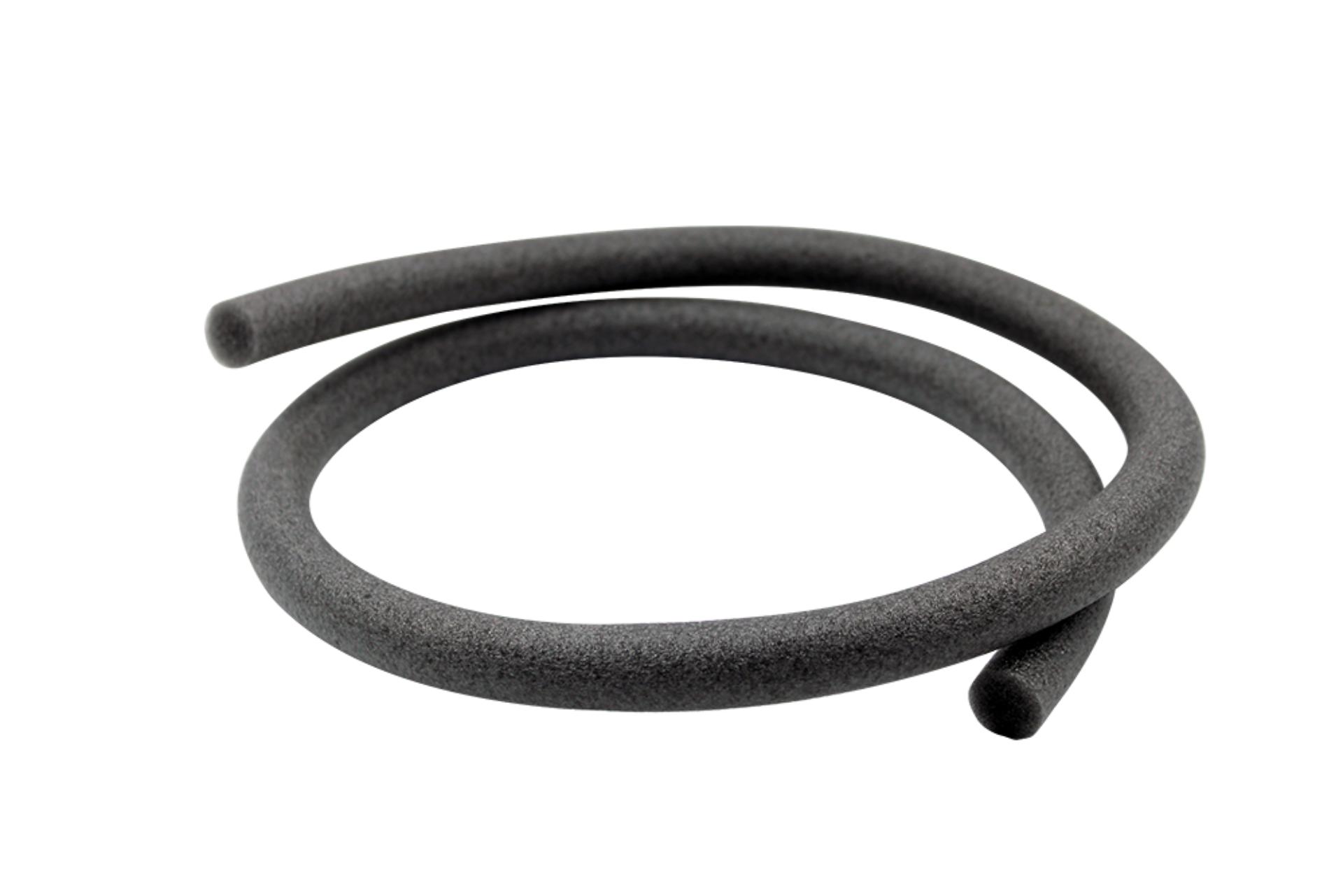
Closed-cell polyethylene cord for the preparation of expansion joints.
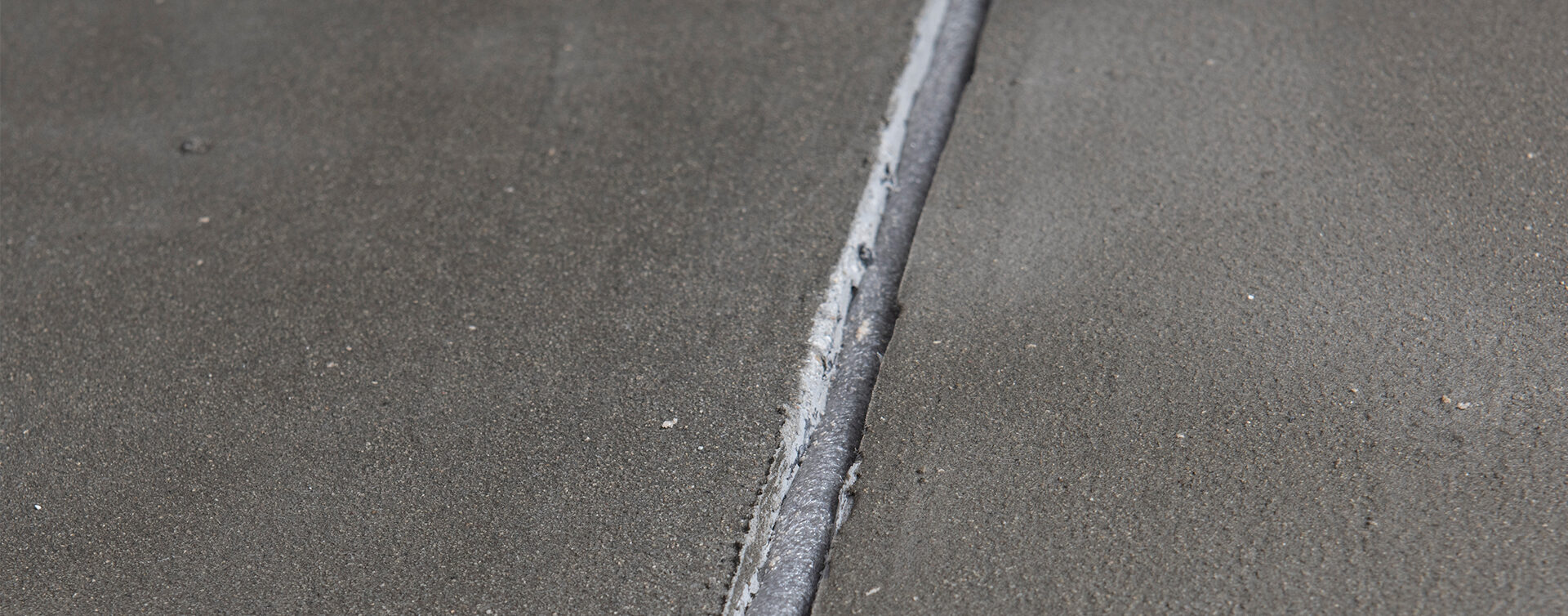
Closed-cell polyethylene cord for the preparation of expansion joints.
  • Correct sizing of joints
  • Adhesion only on the sides of the joint
  • Guaranteed long-term performance of the sealant
  • Material savings

Application areas

Choose Cordone sintetico di tamponamento for

  • The Cordone sintetico di tamponamento must be used in all joints (expansion joints, connection joints, etc.) where Torggler sealants are used, regardless of the chemical composition (silicone, acrylic, polyurethane, hybrid) of the sealant applied. Its function is to ensure the correct proportions of the sealant – depth in relation to width – and to prevent it from being squeezed out from the base, thereby eliminating the risk of tearing due to twisting. It also prevents the joint cavity from being completely filled with sealant, a practice that is as pointless as it is detrimental to the seal’s elastic properties.

Discover more

Other solutions you might be interested in

Details

The expansion joint cord is a preformed, circular-section component of variable thickness made from soft, closed-cell polythene foam. Once positioned at the base of the expansion joint, it ensures the seal is installed to the highest standards. The non-stick nature of the polythene prevents, in fact, the sealant from adhering to the bottom of the joint (the third side), allowing the sealant to adhere only to the side walls and to function solely under tension and compression (any adhesion of the sealant to the bottom could lead to tearing due to torsion). The cord is available in 5 different diameters (from 10 to 40 mm).

Instructions for use

To ensure that expansion joints continue to perform effectively over time, in addition to the quality of the material used for sealing, it is essential to follow the correct installation sequence:

  • After checking the condition and cleanliness of the substrates, it is advisable to apply a primer to the sides of the joint to promote and ensure the sealant’s adhesion, even under heavy stress.
  • Applying adhesive tape along the sides of the joint allows for greater freedom when sealing, as it protects the surfaces from the inevitable overspill of sealant that occurs during extrusion and subsequent smoothing.
  • Depending on the width of the expansion joint, a sealing cord of slightly larger diameter should be inserted so that the cord, thanks to its compressibility, can be positioned at the desired depth without sinking in, simply by applying a gentle push against the sides.
  • The depth of the seal must be determined according to its width: up to 1 cm in width, it will have a square cross-section; over 1 cm, the depth will be half the width.
  • Inject a generous amount of sealant into the joint cavity.
  • Smooth with a spatula moistened with Smooth before a surface film begins to form, applying some pressure to the material to ensure a void-free fill and complete adhesion of the sealant to the sides of the joint.
  • Remove the adhesive tape immediately after smoothing.

Storage

The sealing cord is not subject to any significant ageing processes, but it must be stored in a dry place and protected from extreme temperatures.

Warnings

Insert the Cordone sintetico di tamponamento into the clean joint, using a cord that is approximately 25–30 per cent wider than the width of the joint. Before applying the sealant, ensure that there is no visible moisture or other residue on any surface.

Color Code Thickness Packaging Packaging size Barcode
Grey
15365 Ø 30 mm cardboard 180 m
Barcode 8030334153655
Grey
15366 Ø 40 mm cardboard 120 m
Barcode 8030334153662
Grey
15013 Ø 10 mm roll 600 m
Barcode 8030334150135
Grey
15014 Ø 15 mm roll 250 m
Barcode 8030334150142
Grey
15015 Ø 20 mm roll 150 m
Barcode 8030334150159

  • The Cordone sintetico di tamponamento must be used in all joints (expansion joints, connection joints, etc.) where Torggler sealants are used, regardless of the chemical composition (silicone, acrylic, polyurethane, hybrid) of the sealant applied. Its function is to ensure the correct proportions of the sealant – depth in relation to width – and to prevent it from being squeezed out from the base, thereby eliminating the risk of tearing due to twisting. It also prevents the joint cavity from being completely filled with sealant, a practice that is as pointless as it is detrimental to the seal’s elastic properties.

Appearance Round cord
Density (ISO 845) 25±5 kg/m³
Tensile strength (ISO 1926) 160–260 kPa
Elongation at break (ISO 1926) 30–100
Operating temperature from -40 °C to +100 °C
Water absorption (DIN 53495) < 0.5

Technical datasheet

Still missing information?

Contact our team for personalized support and product guidance.