Low Modulus
Neutral silicone sealant with an extremely low modulus of elasticity, for use on façades and floors.


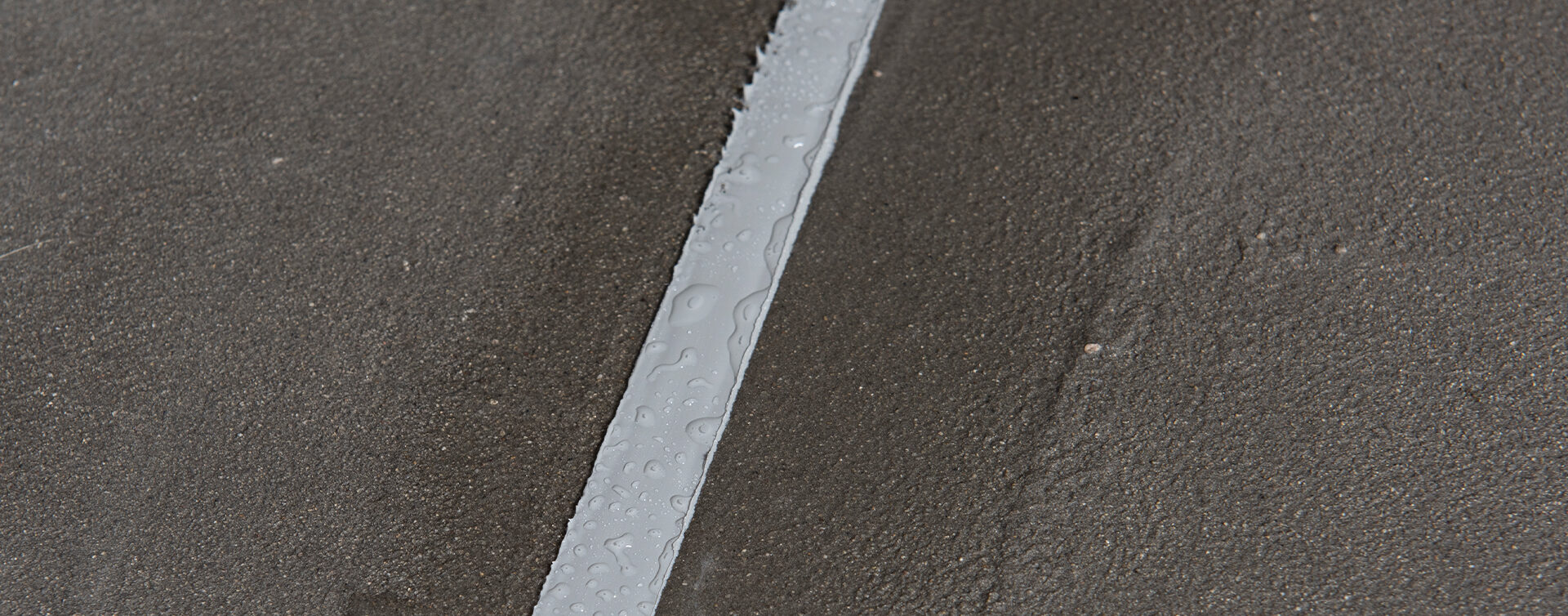
Neutral silicone sealant with an extremely low modulus of elasticity, for use on façades and floors.
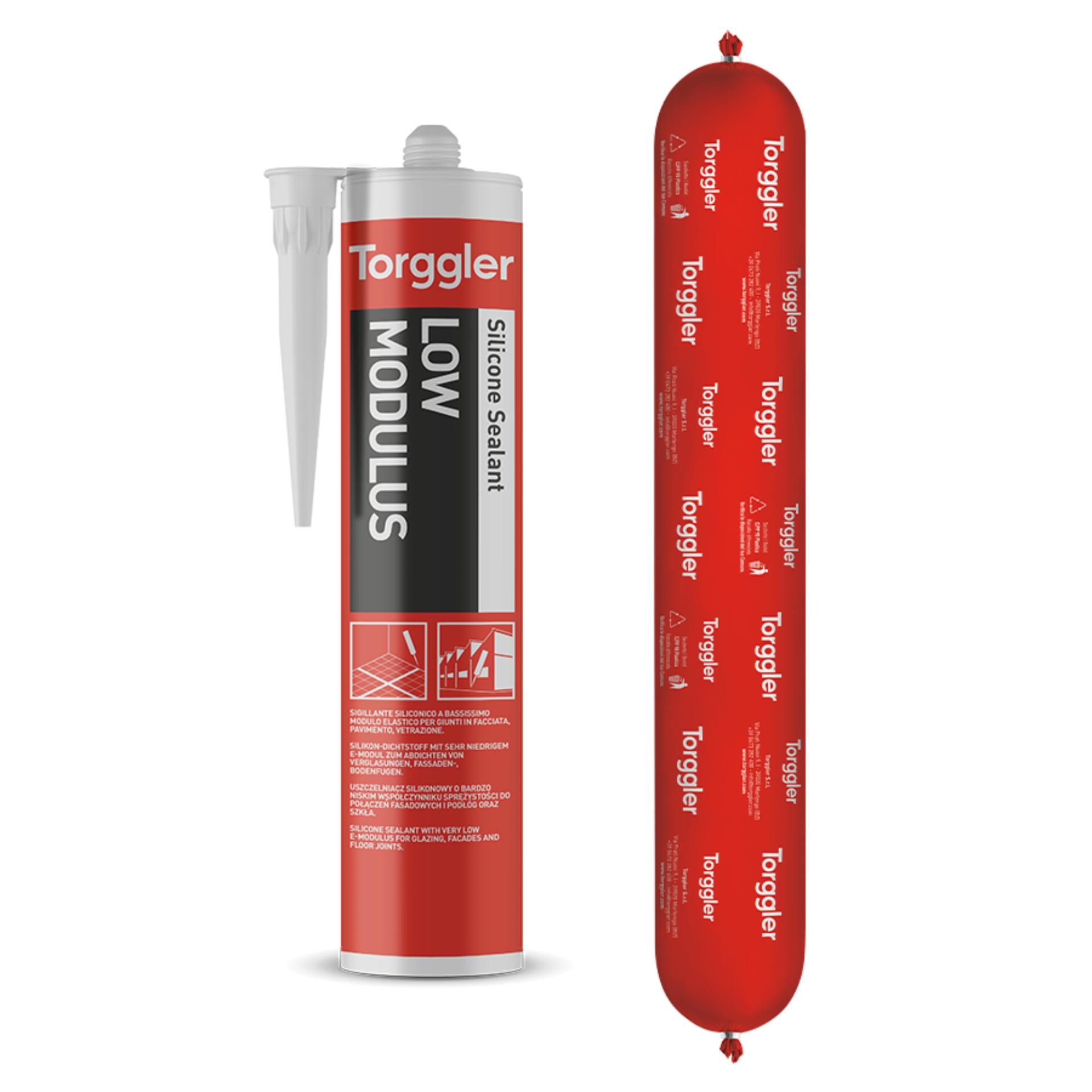




Variations
Application areas
Discover more
Low Modulus It is a neutral-curing silicone sealant with a particularly low modulus of elasticity. It has been proven that its elasticity remains constant at temperatures ranging from –50 °C to +150 °C, which is why it compensates for manufacturing and installation tolerances in curtain wall panels. It adheres perfectly to the substrate, which can be made of any absorbent material. Its high resistance to UV rays and weathering, and its ageing resistance superior to that of any other non-silicone sealant, are the reasons why, even after 20 years of service, the joints show no signs of surface micro-cracks or chalking. Low Modulus It complies with standard EN ISO 11600, class F 25 LM, and is classified as F-EXT/INT-CC according to EN 15651-1 and PW-EXT/INT-CC according to EN 15651-4, i.e. a non-structural sealant for façade elements, walkways and interiors, including in areas with cold climates.
Low Modulus It must be stored in a cool, dry place. Under these conditions, it has a shelf life of at least 12 months. Partially used cartridges can be kept for around 3 months if kept tightly sealed.
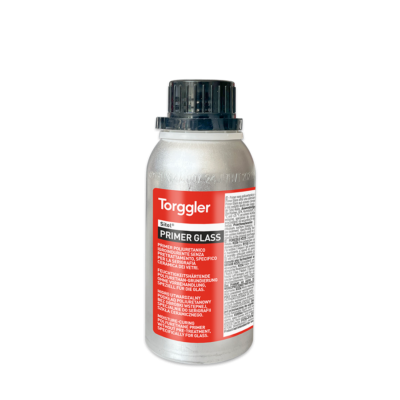
In the case of porous substrates, we recommend applying Low Modulusr first to prevent any staining caused by potential migration of the silicone plasticiser.
r is not suitable for structural bonding. Cross-linked silicone cannot be painted over.
| Color | Code | Packaging | Packaging size | Pallet | Barcode |
|---|---|---|---|---|---|
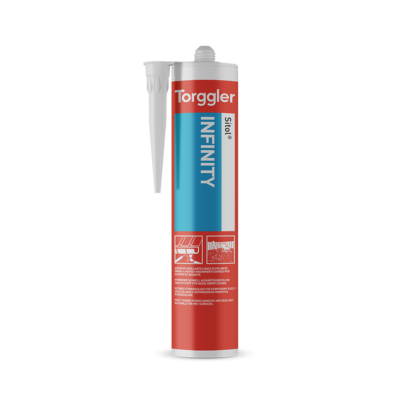
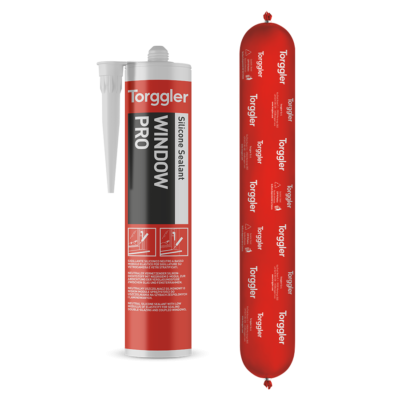
| Grey C1 7047 | 6163 | cartridge | 24x310 ml |
60 cardboards
|

|
| White 9003 | 6460 | cartridge | 24x310 ml |
60 cardboards
|

|
| Grey 7004 | 6151 | cartridge | 24x310 ml |
60 cardboards
|

|
| Black 9005 | 6153 | cartridge | 24x310 ml |
60 cardboards
|

|
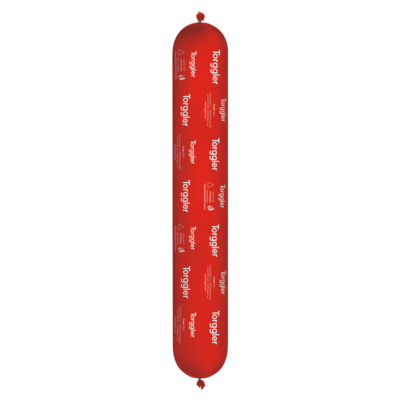
| Grey C1 7047 | 6521 | foil bag | 20x600 ml |
36 cardboards
|

|
| Coral pink | 5703 * | foil bag | 20x600 ml |
36 cardboards
|

|
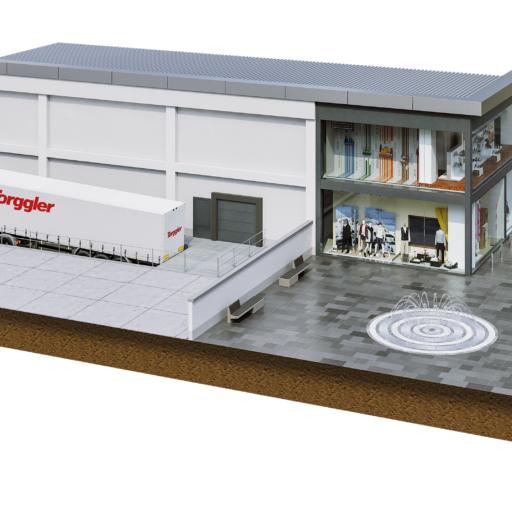
Low Modulus, having been formulated to meet the specific requirements of the construction industry, is the most suitable silicone sealant for sealing expansion joints and connection joints between concrete, metal, plastic, wood, joints in precast concrete panels, joints in partition walls and vertical studs, between window and door frames and masonry, between ceramic cladding on façades, and between pipes/ducts passing through masonry.
| TEST PARAMETER AND METHOD | COLOURED | WHITE |
| Density (ISO 1183-1) | 1.18 g/ml | 1.18 g/m |
| Application temperature | from +5 °C to +40 °C | from +5 °C to +40 °C |
| Surface curing time (MIT 33*) | approx. 60 minutes | approx. 70 minutes |
| Extrusion rate (MIT 30*) | approx. 35 g | approx. 40 g |
| Curing speed from the outside inwards at 23 °C (MIT 32*) | 2 mm in 24 h | 2.5 mm in 24 h |
| Operating temperature | from -50 °C to +150 °C | from -50 °C to +150 °C |
| Surface hardness (ISO 868): Shore A/max | 33 | 30 |
| Surface hardness (ISO 868): Shore A/15 | 22 | 20 |
| Elongation at break (DIN 53504 – S3 die) | 1,000% | 1,400% |
| Tensile breaking load (DIN 53504 – Die S3) | 1.20 N/mm² | 0.87 N/mm² |
| Modulus of elasticity at 100% (DIN 53504 – S3 die) | 0.34 N/mm² | 0.23 N/mm² |
| Elongation at break (EN ISO 8339/A – M1 mortar substrate at 23 °C) | 220% | 290% |
| Tensile breaking load (EN ISO 8339/A – M1 mortar substrate at 23 °C) | 0.28 N/mm² | 0.37 N/mm² |
| Modulus of elasticity at 100% (EN ISO 8339/A – M1 mortar substrate at 23 °C) | 0.21 N/mm² | 0.24 N/mm² |
| Elastic recovery (EN ISO 7389/B – M1 mortar substrate at 23 °C) | 90% | 85% |
| Elongation at break (EN ISO 8339/A – M1 mortar substrate at -30 °C) | 320% | 320% |
| Tensile breaking load (EN ISO 8339/A – M1 mortar substrate at -30 °C) | 0.90 N/mm² | 0.90 N/mm² |
| Modulus of elasticity at 100% (EN ISO 8339/A – M1 mortar bed at -30 °C) | 0.35 N/mm² | 0.35 N/mm² |
| Maximum working elongation (EN ISO 11600) | 25% | 25% |
| Acid resistance | excellent | excellent |
| Resistance to alkalis | Excellent | excellent |
| Odour after cross-linking | None | none |
* Torggler Internal Methods are available on request.
| INDICATIVE CONSUMPTION TABLE | |||
| JOINT WIDTH X DEPTH (MM) | CONSUMPTION PER LINEAR METRE | LINEAR METRES PRODUCED WITH ONE CARTRIDGE | LINEAR METRES PRODUCED WITH ONE SACHET |
| 6×6 | 36 ml | 8.7 | 16.7 |
| 8×8 | 64 ml | 4.9 | 9.4 |
| 10×10 | 100 ml | 3.1 | 6.0 |
| 15×10 | 150 ml | 2.1 | 4.0 |
| 20×10 | 200 ml | 1.5 | 3.0 |
| TABLE OF AVERAGE CONSUMPTIONS | |||
| JOINT WIDTH X DEPTH (mm) | CONSUMPTION PER LINEAR METER | LINEAR METERS REALIZED WITH ONE CARTRIDGE | LINEAR METERS REALIZED WITH ONE BAG |
| 6×6 | 36 ml | 8,7 | 16,7 |
| 8×8 | 64 ml | 4,9 | 9,4 |
| 10×10 | 100 ml | 3,1 | 6,0 |
| 15×10 | 150 ml | 2,1 | 4,0 |
| 20×10 | 200 ml | 1,5 | 3,0 |
Contact our team for personalized support and product guidance.