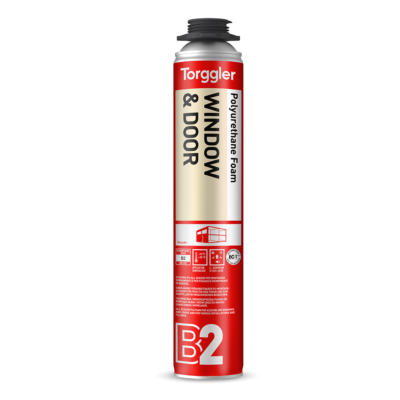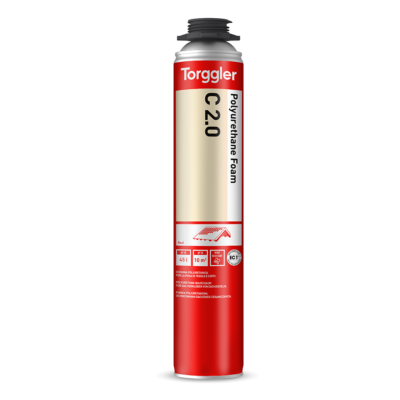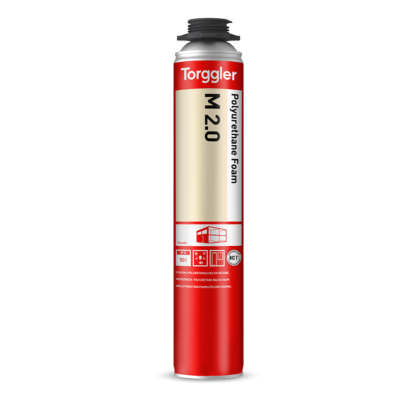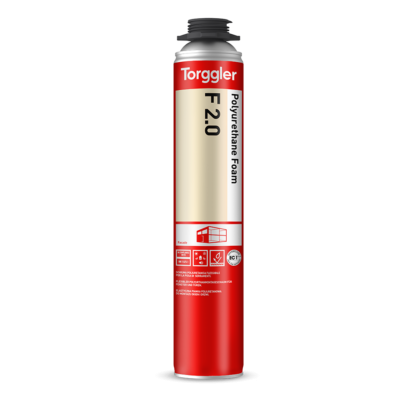
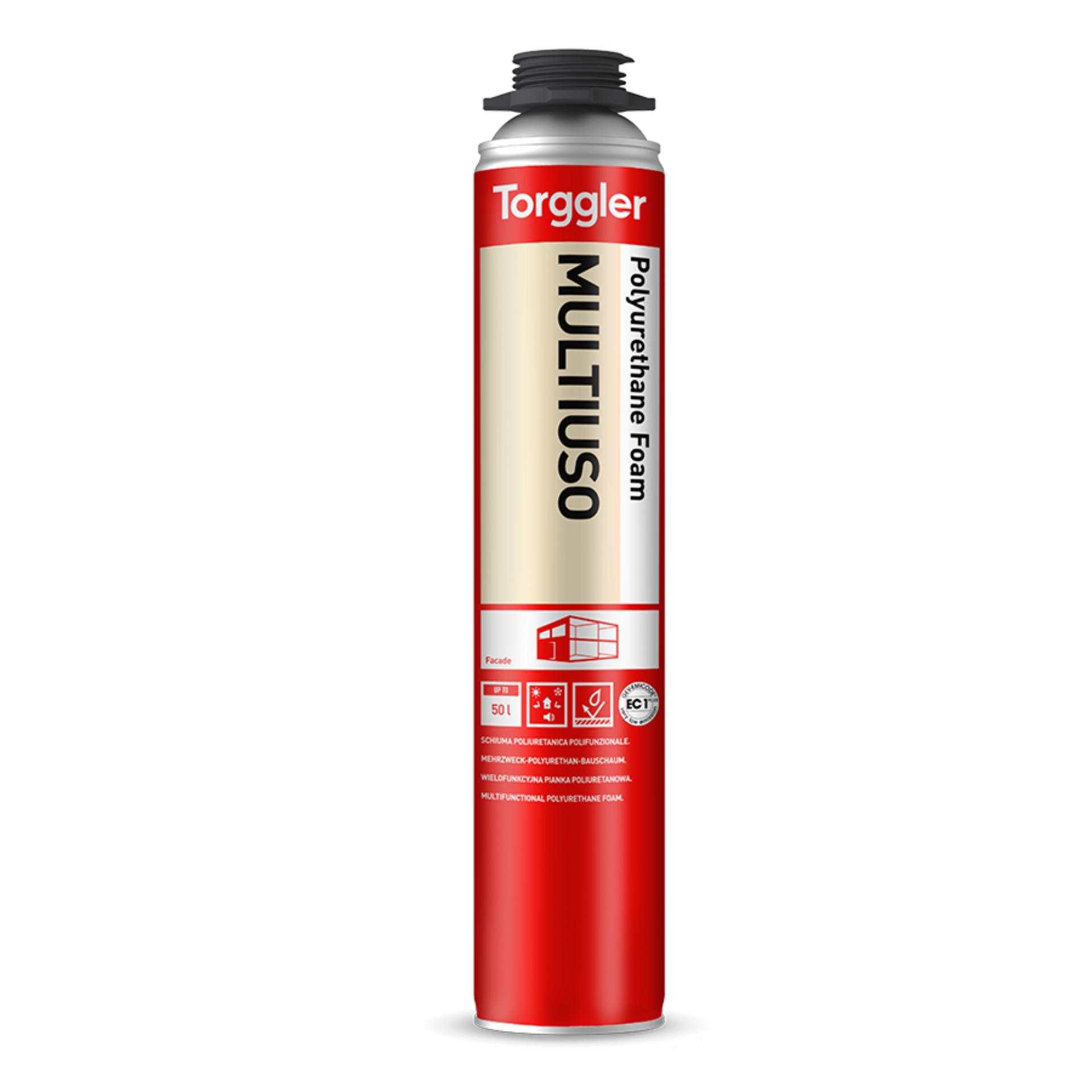
Multiuso
Multi-purpose polyurethane foam.




Discover more
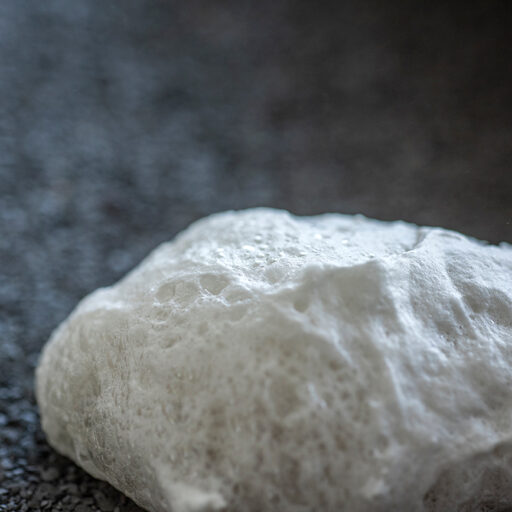
Multiuso It is a single-component polyurethane foam supplied in an aerosol can. Once cured, the foam can be cut, drilled, sanded, painted or plastered. It adheres firmly to wood, concrete, brick, fibre cement boards, metal, glass and plastic, with the exception of polyethylene, Teflon and silicone. The uniform cellular structure, with predominantly closed pores, the dimensional stability and the mechanical properties of the cured foam make ‘Multiuso’ the ideal product for sealing and caulking, filling, bonding, fixing, insulating and soundproofing.
Cleaning
Traces of uncured foam, for example on clothing, window frames, etc., can be cleaned with polyurethane foam solvent. Cured foam can only be removed mechanically (by scraping or sanding).
Notes
The foam yield is highly dependent on the temperatures of the cylinder and the substrate. At low temperatures, both the discharge pressure of the fresh material from the valve and the yield of cured foam are significantly reduced, whilst post-expansion increases. To achieve a good yield, it is recommended that the cylinder be stored at a temperature of approximately 20 °C. At higher temperatures, it may be difficult to dispense the product correctly, as the increase in pressure inside the cylinder makes it harder to control the flow of material from the valve.
Store in a cool place in an upright position. Take great care to avoid storing the product horizontally, as this will cause deposits to form rapidly beneath the valve, which will irreparably compromise the dispensing of the foam. Multiuso It remains stable for at least 18 months if stored upright, in a cool place (at temperatures below 25 °C), in a dry place and in its original, unopened packaging. Observe the expiry date indicated on the cylinder.
Substrates and objects that are completely saturated with water prevent the foam from adhering.
Multiuso’s cylinder is a pressurised container. Protect from direct sunlight and do not expose to temperatures exceeding 50 °C. Do not pierce or burn, even after use. Do not spray onto a flame or any incandescent object. Keep away from all sources of ignition, flames and sparks. Do not smoke. Do not breathe in the aerosols. Keep out of the reach of children. This product contains highly flammable components; therefore, use it only in well-ventilated areas. Particularly when using several cylinders in the same location, there is a risk of explosive air/propellant gas mixtures forming. Contains 4,4'-diphenylmethane diisocyanate (EC No. 615-005-00-9). Harmful if inhaled. Irritating to the eyes, respiratory tract and skin. May cause sensitisation by inhalation and skin contact. In case of contact with the eyes, rinse immediately with plenty of water and seek medical advice. In case of skin contact, wash immediately and thoroughly with soap and water. Wear suitable protective clothing and gloves. In case of inadequate ventilation, use a suitable respirator. In the event of an accident or if you feel unwell, seek medical advice immediately (if possible, show the label to the doctor).
| Color | Code | Application | Packaging | Packaging size | Pallet | Barcode |
|---|---|---|---|---|---|---|
| Natural yellow | 8456 | Manual application | can | 12 x 500ml |
70 cardboards
|

|
| Natural yellow | 5067 | Manual application | can | 12x750 ml |
42 cardboards
|

|
| Natural yellow | 5333 | Gun application | can | 12x750 ml |
42 cardboards
|

|
| PARAMETERS AND TEST METHODS | MANUAL | SPRAY GUN |
| Colour | light yellow | light yellow |
| Ambient temperature during application | from +10 °C to +40 °C | from +10 °C to +40 °C |
| Operating temperature | from -40 °C to +120 °C | from -40 °C to +120 °C |
| Surface film formation (at 23 °C and 50 % RH) (MIT 87*) | 5–8 minutes | 5–8 minutes |
| Tear resistance (20 mm diameter cord at 23 °C and 50 % RH) (MIT R/08*) | approx. 35 minutes | approx. 30 minutes |
| Bulk density (after controlled expansion) (MIT 50*) | 18–23 kg/m³ | 11–15 kg/m³ |
| Approximate coverage | 50 l | 50 l |
| % Post-expansion curb | 40% | 20% |
| Linear dimensional change (23 °C – 50 % RH) (MIT 52*) | <3% | <3% |
| Water resistance | excellent | excellent |
| Resistance to detergents | excellent | excellent |
| Resistance to chemicals | Good | good |
| UV resistance | poor | poor |
| Resistance to microorganisms | Excellent | excellent |
Free expansion: up to 50 litres
Extrusion at the joint: up to 30 linear metres (3 x 3 cm joint)
The values given refer to laboratory conditions and may vary significantly depending on actual application and environmental conditions.
Contact our team for personalized support and product guidance.