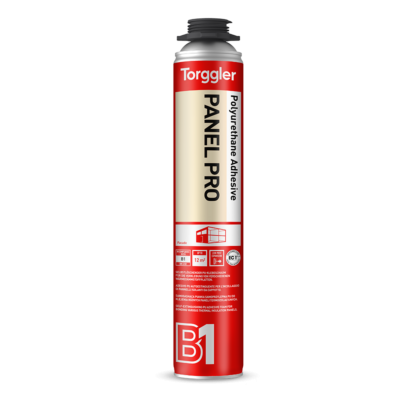
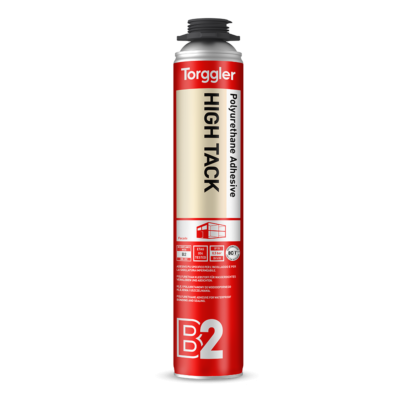
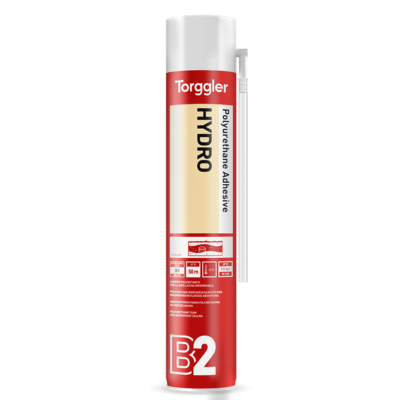
Panel F
A fast-curing, single-component polyurethane adhesive for installing plasterboard and insulation panels in general.
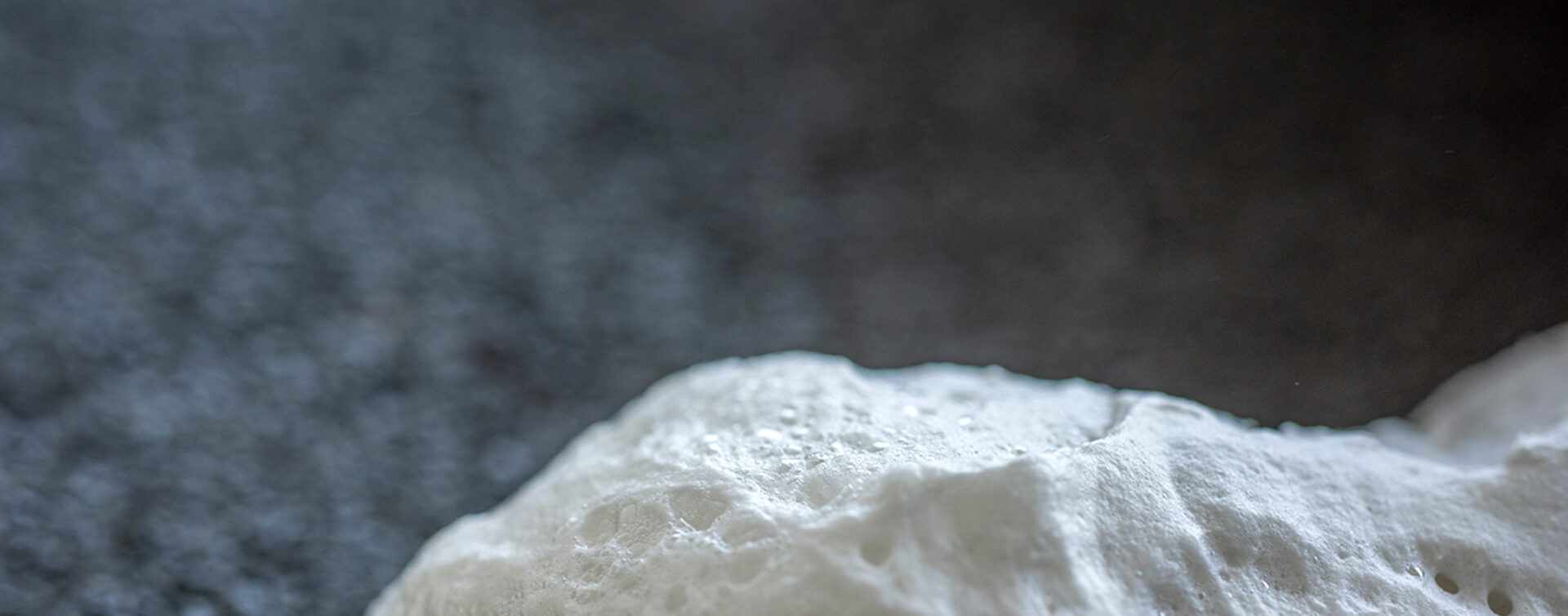
A fast-curing, single-component polyurethane adhesive for installing plasterboard and insulation panels in general.




Application areas
Discover more
Panel F is a fast-curing, single-component polyurethane adhesive supplied in an aerosol can, specifically developed and tested for bonding various types of insulation panels. It is also used in the field of below-ground perimeter insulation and thermal insulation in general. Thanks to its low post-expansion and the high consistency and adhesion of the fresh adhesive, it is possible to install panels of various types and thicknesses, such as EPS, XPS, PU, rock wool or glass wool, etc. on various types of substrate (mineral substrates, brick, concrete, render, timber, metal, glass, plastic, bituminous membranes – whether slate-faced or aged/oxidised) in accordance with the procedures set out in ETAG 004 for external thermal insulation systems. Used to fill any cracks resulting from the installation of the panels, thanks to its structure of particularly uniform and fine cells, it contributes to acoustic and thermal insulation without creating any discontinuities.
Substrates must be free from oil, grease and dust. Particularly when applying to non-porous substrates, to ensure complete cross-linking, it may be helpful to dampen the surfaces beforehand to provide the fresh product with the necessary moisture.
Cleaning tools
Traces of uncured Panel F, for example on clothing, window frames, etc., can be cleaned with foam solvent. The cured product can only be removed mechanically (by scraping or sanding). Any residue in the valve can be easily removed once it has fully cured. This product contains flammable components, so use it only in well-ventilated areas.
Store in a cool place in an upright position. Take great care to avoid storing the product horizontally, as this will cause deposits to form rapidly beneath the valve, which will irreparably compromise the extrusion of the adhesive. Panel F remains stable for at least 12 months if stored upright, in a cool place (at temperatures between 15 and 25 °C), in a dry place, in its original unopened packaging.
Panel F, whilst extremely effective from a technical, practical and performance perspective when installing external thermal insulation composite systems, does not preclude the use of traditional mechanical fixing systems (anchor bolts, etc.) which ensure the panels are anchored within the thickness of the substrate to prevent the risk of the adhesive failing should the surface not be sufficiently solid and stable.
When bonding to new bituminous membranes, use the Bitumen Seal adhesive/sealant.
The Panel F canister is a pressurised container. Read the information on the safety data sheet carefully.
| Color | Code | Application | Packaging | Packaging size | Pallet | Barcode |
|---|---|---|---|---|---|---|
| Natural yellow | 5558 | Gun application | can | 12x750 ml |
42 cardboards
|

|
| PARAMETER | VALUE |
| Ambient temperature during application | from +5 °C to +35 °C |
| Operating temperature | from -40 °C to +120 °C |
| Surface film formation (at 23 °C and 50% RH) (according to MIT 98*) | 3 minutes |
| Traceability (20 mm diameter cord at 23 °C and 50% RH) (according to MIT R/8*) | 9 minutes |
| Density (after controlled expansion) (according to MIT 50*) | 14–16 kg/m³ |
| Post-expansion % of cord | 18–20 |
| Volume yield (litres) | 46–50 |
| Area of panels laid (sq m) | 12 |
| Dimensional variation (23 °C – 50% RH) (according to MIT 52*) | <3% |
| Adhesion to polystyrene (according to ETAG 004) | 0.2 N/mm² (panel failure) |
| Fire behaviour (according to DIN 4102) | B3 |
| UV resistance | poor, tends to yellow |
* Torggler Internal Methods (MIT) are available on request.
The yield of the adhesive is highly dependent on the temperatures of the cylinder and the ambient environment. At low temperatures, both the pressure at which the fresh material emerges from the valve and the yield of the cured product are significantly reduced. To achieve a good yield, a cylinder temperature of approximately 20 °C is recommended. Consumption depends on the type of materials to be installed and the installation method: as a guide, one cylinder is sufficient to bond between 8 and 12 m² of insulation boards and up to 3 plasterboards. The figures given refer to laboratory conditions and may vary considerably depending on actual application and environmental conditions.
Contact our team for personalized support and product guidance.