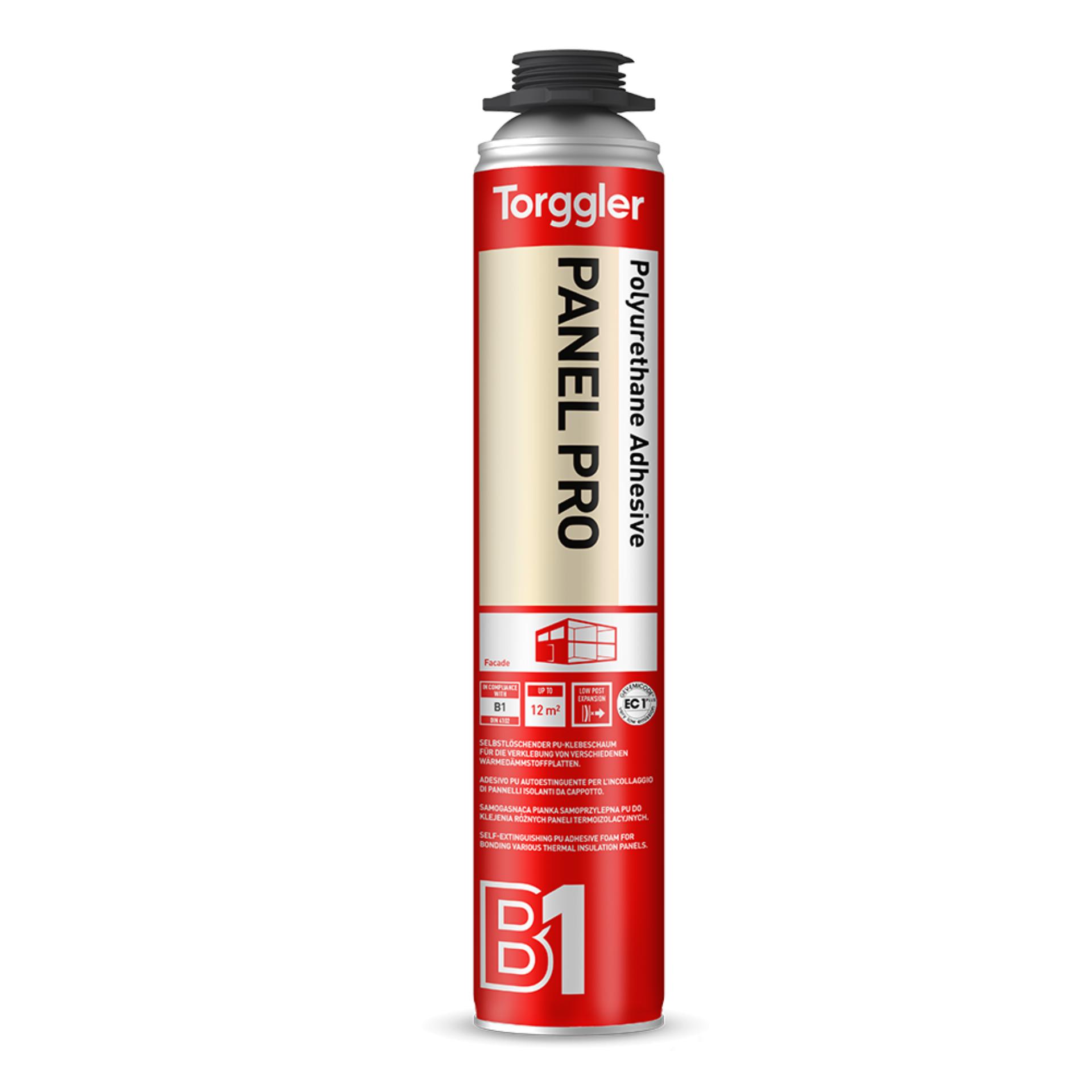
Panel Pro
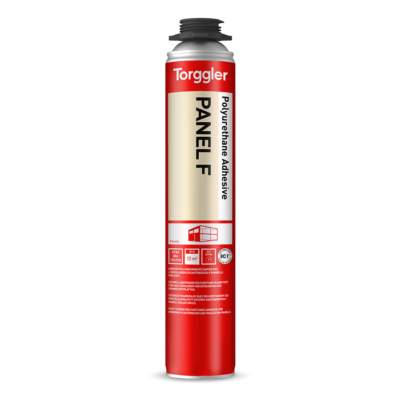
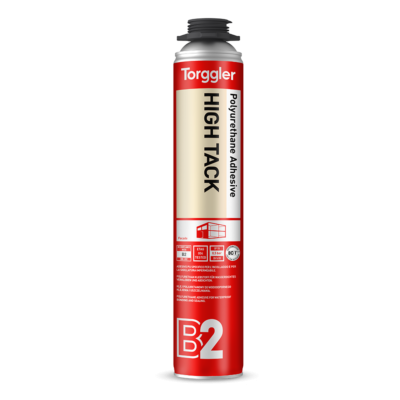
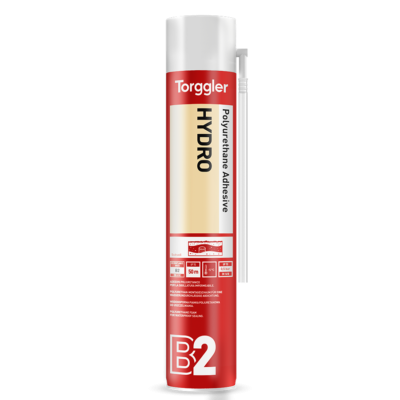
Self-extinguishing PU adhesive for bonding external wall insulation panels.




Discover more
Self-extinguishing PU adhesive for bonding ETICS insulation panels. Thanks to the low post-expansion and the high consistency and adhesive strength of the freshly applied adhesive, it is possible to install panels of various types and thicknesses – for example, EPS, XPS, PU, rock wool or glass wool, etc. — on various types of substrate (mineral, brick, concrete, plaster, wood, metal, glass, plastic, aged/oxidised slate or bituminous membranes) in accordance with the procedures set out in ETAG 004 for thermal insulation.
The surface must be solid and stable, free from oil, grease and dust. Particularly when applying to non-porous surfaces, it is advisable to dampen the substrate beforehand to ensure that the fresh product has sufficient moisture for complete curing.
Cleaning
Traces of uncured polyurethane foam, for example on clothing, window frames, etc., can be removed with polyurethPanel Proe solvent.
Once cured, the product can only be removed mechanically (by scraping or sanding). Any residue in the nozzle can be easily removed once fully cured.
Store upright in a cool place. Under no circumstances should the product be stored lying flat, as deposits may form beneath the valve, which will irreparably compromise the dispensing of the adhesive. Panel Pro has a shelf life of at least 18 months if the can is stored upright in a cool (between +15 and +25 °C) and dry place in its original, unopened packaging.
Panel Pro This product contains flammable components and should therefore only be used in well-ventilated areas. The can of Panel Pro is a pressurised container. Please read the information in the safety data sheet carefully.
| Color | Code | Application | Packaging | Packaging size | Pallet | Barcode |
|---|---|---|---|---|---|---|
| Natural yellow | 8380 | Gun application | can | 12x750 ml |
42 cardboards
|

|
| PARAMETER | VALUE |
| Fire behaviour (DIN 4102-1) | B1 |
| Surface film formation (at +23 °C and 50% RH) (MIT 87*) | 8 minutes |
| Tear resistance (20 mm diameter cord at +23 °C and 50% RH) (MIT R/8*) | 20 minutes |
| Application temperature | 0 °C to +35 °C |
| Storage temperature | from +15 °C to +20 °C |
| Operating temperature | from -40 °C to +100 °C |
| Density (after controlled expansion) (MIT 50*) | 19–23 kg/m³ |
| Yield (free expansion) | 47 l |
| Coverage of laid panels | 12 m2 |
| Border consumption (3x3cm) | 18 running metres |
| Post-expansion | 18–20% |
| Shrinkage after hardening | <5% |
| Thermal conductivity λ (EN 12667) | 0.036 W/mK |
| Sound insulation Rs,w (according to IFT SC-01 guideline) | 62–63 dB |
| Water resistance | excellent |
| Resistance to cleaning agents | Excellent |
| Chemical resistance | good |
| UV resistance | poor, tends to yellow |
| Resistance to microorganisms | excellent |
* Torggler Internal Methods (MIT) are available on request.
The output of the adhesive depends largely on the temperature of the cylinder and the ambient temperature. At low temperatures, the product comes out of the nozzle at a much lower pressure and the yield is also reduced. For a good yield – up to 12 square metres of installed insulation panels – a can temperature of around +20 °C is recommended.
Contact our team for personalized support and product guidance.