Polyurea HM

A two-component membrane based on pure polyurea, to be applied by spraying using a high-pressure twin-mixer pump for the on-site creation of a waterproof coating on various types of substrate, where high adhesion, elasticity and tear resistance are required.

A two-component membrane based on pure polyurea, to be applied by spraying using a high-pressure twin-mixer pump for the on-site creation of a waterproof coating on various types of substrate, where high adhesion, elasticity and tear resistance are required.

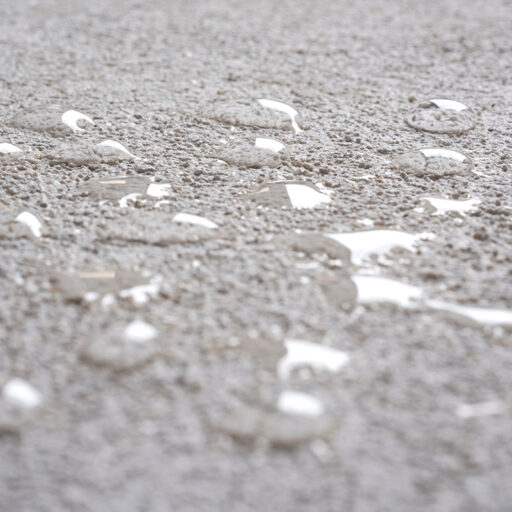
  • Highly waterproof.
  • Extremely fast curing and rapid attainment of final mechanical properties.
  • High resistance to hydrolysis, puncture, abrasion, ageing and mechanical stress.
  • Vehicle trafficable.
  • Application temperature from -20°C to +40°C in the absence of condensation.
  • Operating temperature from -40°C to +90°C in air.
  • High crack-bridging capacity, both static and dynamic, even at low temperatures.
  • Excellent resistance to alkalis and diluted acids.

Application areas

Choose Polyurea HM for

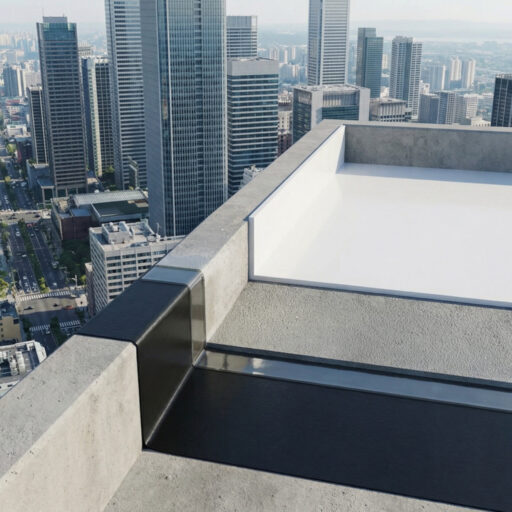
  • Waterproofing product for road and railway bridge decks, viaducts, underground structures and tunnels.
  • Protection and waterproofing of hydraulic structures, canals and retention basins.
  • Also available in a version certified for drinking water.
  • Waterproofing for the roofs of residential and industrial buildings.
  • Waterproofing for car parks, including those of considerable size.
  • Protection and encapsulation of fibre cement (including asbestos).

Discover more

Other solutions you might be interested in

Details

Instructions for use

Substrate preparation
Substrate preparation is essential; therefore, the surface to be treated must be free from any contaminants, dry, sound, and have a tensile strength of at least 1.5 MPa. In all cases, the floor surface must be prepared by milling, shot-blasting, grinding or sanding, depending on the type of surface.
Any free-standing or standing water originating from the substrate, previous washing operations or weather conditions must be removed or dried using appropriate methods.
On porous substrates, the reactivity of the material and the resulting heat build-up could lead to the formation of through-holes in the coating due to the heating of air trapped within the surface. It is therefore advisable to ensure, after applying the primer, that the surface is effectively sealed (saturated).

Primer
Preparation varies depending on the surface to be treated:
– Concrete surfaces: shot-blast, then skim-coat with EPOX GRIP mixed with 0.1–0.3 mm quartz. For highly porous surfaces, apply a double skim-coat.
– Fresh resin: dust with quartz sand to improve the product’s adhesion. On damp surfaces or where there is counter-pressure, apply RASOEPOXY until a dry surface is achieved, then apply a further coat and dust with quartz.
– On heavily corrugated areas, the surface can be levelled by skimming with RASOEPOXY, adding 0.1–0.3 mm or 0.1–0.5 mm quartz to adjust both the thickness and consistency of the product.
– Metal surfaces: dry-blast in accordance with SSPC-SP10 to Sa2.5 grade and coat immediately with POLYUREA HM.
– To create surfaces with a certain degree of slip resistance, immediately after applying the first coat of POLYUREA HM, rotate the spray gun so that it is parallel to the surface to be treated, keep the nozzle pointing upwards and move the arm in a sweeping motion to create a ‘shower’ of POLYUREA HM.

Product preparation and application
A two-component product, applicable using a high-pressure bi-mixer airless sprayer, preferably PLC-controlled for dosing and flow rate, fitted with a suitable mixing gun for polyurea systems (in-gun reaction). Optimal performance is achieved by spraying the product at a temperature of 70–80°C and a pressure of 180–200 bar.
The equipment must be fitted with in-line heaters, heated tanks and hoses.
The components of POLYUREA HM must not be contaminated with any chemical agents (solvents, oils, water or anything else) as this would seriously compromise the product’s characteristics.

When exposed to UV rays, POLYUREA HM may exhibit colour changes and slight chalking, without this affecting its mechanical properties.
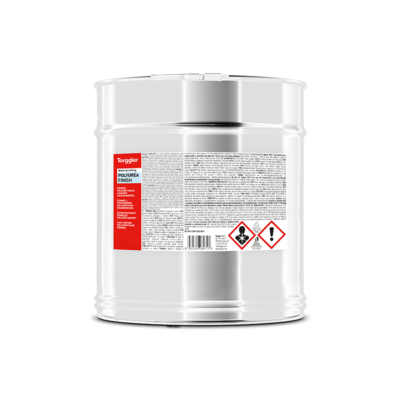
To prevent such changes, protection with an aliphatic polyurethane such as POLYUREA FINISH is required.

Storage

When kept in its original sealed packaging, stored in a dry, protected place at a temperature between +5°C and +35°C, the product has a shelf life of 12 months.
Do not store the product at temperatures below 6°C.
Warnings

  • Do not apply POLYUREA HM to substrates contaminated with oil, grease or general dirt.
  • Do not apply POLYUREA HM to substrates that have not been previously cleaned and primed.
  • Do not apply POLYUREA HM to substrates subject to rising damp.
  • In all cases where the residual moisture content of the substrate exceeds 4%, a primer for damp substrates, such as EPOX GRIP, must be used.

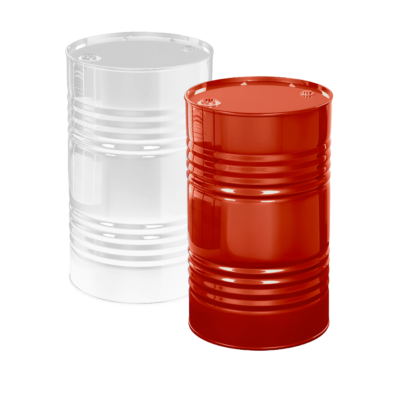
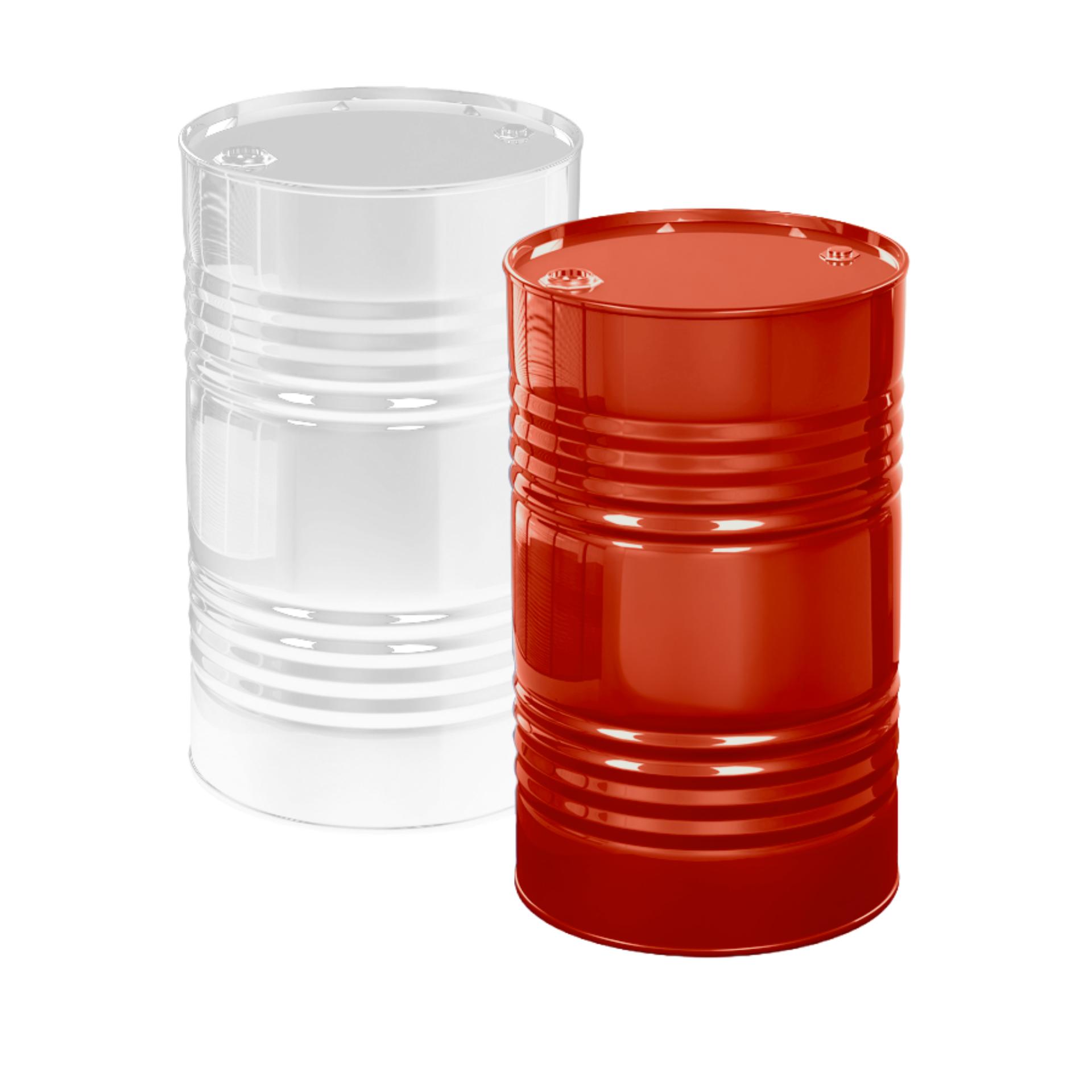
Color Code Bicomponent Packaging size Barcode
Bright grey
8458 * 2 components 435 kg
Barcode 8030334084584
*At request

  • Waterproofing product for road and railway bridge decks, viaducts, underground structures and tunnels.
  • Protection and waterproofing of hydraulic structures, canals and retention basins.
  • Also available in a version certified for drinking water.
  • Waterproofing for the roofs of residential and industrial buildings.
  • Waterproofing for car parks, including those of considerable size.
  • Protection and encapsulation of fibre cement (including asbestos).

Properties Value Reference standard
Viscosity at 20°C
Component A 1000 ± 200 mPa·s EN ISO 2555
Component B 1250 ± 250 mPa·s EN ISO 2555
Mixing ratio 1:1 (by volume and by weight)
Theoretical consumption 1 mm = 1.08 kg/m²
Non-volatile substances > 99.8 % EN ISO 3251
Adhesion to concrete > 3.0 MPa EN 1542
Adhesion to metal > 7.0 MPa EN 13144
Adhesion to fibre cement > 1.4 MPa EN 1542
Thermal shock resistance > 3.3 MPa EN 13687-5
Impact resistance 20 N·m EN ISO 6272
Wear resistance < 35 mg EN ISO 5470-1

H22 grinding wheel, 1000 g, 1000 rpm

Tensile strength > 16 MPa EN 12311-2
Tear strength > 12 kN/m EN 12310-2
Elongation at break > 350 % EN 12311-2
Tensile strength, -20°C > 14.3 MPa EN 12311-2
Tear strength, -20°C > 12 kN/m EN 12310-2
Elongation at break, -20°C > 114 % EN 12311-2
Shore D hardness > 45 EN ISO 868
Water absorption < 0.1 kg/m² x h0.5 EN 1062-3
Ozone resistance Excellent EN 1844
Chemical resistance
Hydrocarbon mixture
10% acetic acid
20% sulphuric acid
20% sodium hydroxide
20% sodium chloride
Class II
Class II
Class II
Class II
Class II
EN 13529

per 1 mm = 1.08 kg/m²

Technical datasheet

Still missing information?

Contact our team for personalized support and product guidance.